Westow Hill upholstery cleaning and stain removal Crystal Palace
Spilled tea on a sofa. Mud on an armchair after a wet walk through Crystal Palace. A wine mark that seemed small at first, then settled in like it owned the place. If any of that sounds familiar, Westow Hill upholstery cleaning and stain removal Crystal Palace is exactly the sort of service that can save a good piece of furniture before the damage becomes permanent. And honestly, furniture usually costs far more to replace than people expect.
This guide explains what upholstery cleaning and stain removal involve, how the process works, what to expect from a proper treatment, and how to avoid the usual mistakes that make stains worse. You will also find practical tips for keeping fabrics in better shape between cleans, plus a simple checklist you can use before you book.
Why Westow Hill upholstery cleaning and stain removal Crystal Palace Matters
Westow Hill sits in a busy part of Crystal Palace where homes, flats, rentals, and small offices all get a fair amount of day-to-day use. That matters because upholstery takes wear in a very visible way. Sofas, dining chairs, footstools, office seating, and fabric headboards all collect body oils, dust, drink spills, pet hair, and the odd mystery mark. The fabric might not look filthy at a glance, but over time it can start to look dull, smell stale, or feel rougher than it should.
Stain removal matters for another reason too: not every mark behaves the same. A coffee stain on one fabric may lift with careful treatment, while the same spill on another can fix itself deeper into the fibres if it is rubbed or overheated. To be fair, that is where most DIY attempts go wrong. People scrub hard because they want fast results, and then the mark spreads.
There is also the local lifestyle angle. Crystal Palace homes often mix family life, pets, guests, remote working, and compact living spaces. A sofa is not just a sofa in that setting; it is the place where everyone eats snacks they promised they would not eat. So keeping upholstery clean is less about appearances alone and more about comfort, hygiene, and getting more life out of what you already own.
If you are already thinking beyond upholstery, it can help to see the bigger picture of home care. Services such as deep cleaning, sofa cleaning, and rug cleaning often work well together when a room needs a proper reset rather than a surface tidy.
How Westow Hill upholstery cleaning and stain removal Crystal Palace Works
A proper upholstery clean is more than spraying something scented on a cushion and hoping for the best. The process usually starts with an inspection of the fabric type, construction, and visible problem areas. That first step is crucial because upholstery fabrics vary a lot. Natural fibres, synthetics, blends, velvet-style materials, wool mixes, and coated fabrics each need a slightly different approach.
Most professional stain removal work follows a simple logic: identify the stain, test the fabric, treat the spot, clean the whole panel or item where needed, then control drying carefully. That sounds straightforward, but the judgment part is where the skill lives. A red wine stain is not treated the same way as ink. Grease is not the same as protein-based spills. And a stain that looks old may still respond well if it has not been set with heat or the wrong product.
In practical terms, the work may include:
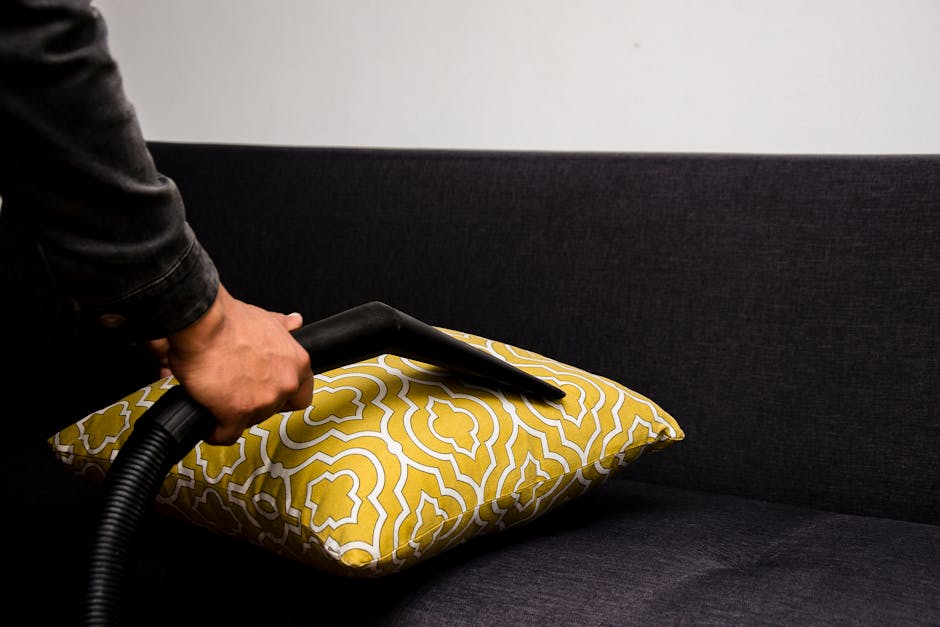
- vacuuming and dry soil removal
- spot testing on an inconspicuous area
- pre-treatment of stains and traffic areas
- careful agitation where suitable
- hot water extraction, low-moisture cleaning, or another fabric-safe method
- targeted stain reduction or removal
- final grooming and drying guidance
Some upholstery responds best to a full clean rather than one isolated stain treatment. Why? Because even if the stain disappears, the surrounding fabric can still look uneven if the whole area has aged differently. That little ring effect is common, and nobody wants it. A skilled technician will usually try to blend the result so the repair is visually consistent.
If you want a more general view of what sits behind this type of work, the page on upholstery cleaning explains the broader service area, while choosing a cleaning company is often about confidence, process, and consistency rather than just price alone.
Key Benefits and Practical Advantages
The obvious benefit is better-looking furniture. That part is easy to see. But the real value goes a bit deeper.
- Longer furniture life: dirt and residue act like fine grit. Remove them, and fabrics generally wear more evenly.
- Better everyday comfort: clean upholstery feels fresher to sit on, especially in warmer months or in rooms with heavy use.
- Improved stain control: fast, fabric-aware treatment often reduces the chance of a mark becoming permanent.
- Less lingering odour: spills, pets, and general household use can leave smells trapped in fibres.
- Better presentation: useful for landlords, tenants, home sellers, or anyone expecting guests soon.
- More practical than replacement: a good clean can buy time before you need to reupholster or replace furniture.
There is also a psychological benefit that people tend to notice after the fact. A fresher sofa or chair can make the whole room feel lighter. Not dramatically, maybe, but enough that you stop seeing the same old mark every time you sit down. Small thing. Big relief.
If you are tackling a wider property refresh, the related services domestic cleaning and one-off cleaning can be a sensible complement, especially when upholstery issues are part of a broader clean-up.
Who This Is For and When It Makes Sense
This service is for anyone who wants upholstered furniture to look and feel cleaner without risking the fabric. That includes homeowners, tenants, landlords, letting agents, pet owners, families with young children, and office managers dealing with shared seating.
It makes sense if you are dealing with any of the following:
- fresh spills that need careful stain treatment
- old marks that have gone dark, yellow, or sticky
- general dullness from daily use
- pet odours or pet-related marks
- food stains, drink stains, makeup, ink, or mud
- move-out preparation where presentation matters
- post-party clean-up after a long weekend, which happens more often than people admit
Sometimes the question is not whether you need a clean, but when. If the stain is fresh, quick action helps. If the fabric has been cleaned badly before, or if the mark has already been rubbed in, you may need a more careful assessment. And if a piece of furniture is antique, delicate, or badly worn, the best result may be stain reduction rather than total removal. That is a more honest promise, and usually the right one.
For rented homes or properties in transition, services like end of tenancy cleaning can also be relevant, especially when upholstery is part of the inventory standard.
Step-by-Step Guidance
If you are wondering how a sensible upholstery clean should unfold, here is the general process. Different companies may vary in technique, but the sequence below is a good practical benchmark.
- Inspect the fabric and stain type. A technician should check care labels where available and assess any visible damage.
- Test first. Spot testing helps reduce the risk of colour bleed, shrinkage, or pile distortion.
- Vacuum thoroughly. Dry debris is removed before any liquid treatment starts.
- Pre-treat stains. Specific products are selected based on the mark, not guesswork.
- Apply the chosen cleaning method. This might involve extraction, low-moisture cleaning, or a controlled manual approach.
- Rinse or neutralise where needed. Leftover residue can attract soil again, so this part matters.
- Check the result. The cleaned area is inspected, and stubborn spots may get a second, careful pass.
- Dry properly. Faster drying helps reduce odours and the risk of re-soiling.
The practical side of this is simple: a good clean should feel calm and methodical, not rushed. If someone dives straight in without checking the fabric, that is a little red flag. Not always a disaster, but not ideal either.
When fabric is badly soiled, or the home needs a more complete reset, broader options such as house cleaning or home cleaners may be worth considering alongside specialist upholstery work.
Expert Tips for Better Results
These are the little things that often make the difference between a decent clean and a genuinely good one.
- Act quickly on spills. Blot, do not rub. Rubbing pushes liquid deeper and can roughen the fabric surface.
- Know the fabric code if you can. If the care label is missing, that does not block cleaning, but it does make testing even more important.
- Use plain white cloths for blotting. Coloured cloths can transfer dye, which is not the plot twist you want.
- Keep liquids away from heat at first. Heat can set some stains, especially protein or tannin-based marks.
- Vacuum regularly. Dry soil is easier to remove before it gets ground in by everyday use.
- Ask about drying time. In a typical home, a room can feel different once moisture and airflow are managed properly.
- Consider the whole item, not just the spot. Spot-only treatment can sometimes leave a halo.
One practical observation from real homes: a stain often looks worse after the first proper inspection than it did from across the room. That is normal. Lighting, angle, and texture all play tricks. The good news is that a careful plan usually beats panic. Every time.
For furniture with mixed materials or more delicate finishes, pairing upholstery care with deep cleaning or, where relevant, carpet cleaning can help keep the whole space consistent, not just one item.
Common Mistakes to Avoid
A lot of upholstery damage is accidental. People do the wrong thing because they are trying to help quickly. Fair enough. But the outcome can be messy.
- Scrubbing aggressively: this can fray the pile, spread the stain, or flatten the fabric.
- Using too much product: over-wetting may leave residue, odour, or water marks.
- Ignoring the care label: some fabrics need low-moisture treatment or specialist handling.
- Mixing products: never assume two cleaners will behave politely together. They usually do not.
- Blowing hot air straight onto delicate fibres: this can distort texture or set the wrong kind of mark.
- Waiting too long: older stains are often more stubborn, especially after DIY attempts.
Another common mistake is expecting every stain to vanish completely. Sometimes it will. Sometimes it will not. A trustworthy approach is to explain the likely result before work begins, not after. That is part of what separates a careful service from a hopeful one.
If you are trying to decide between several types of cleaning support, options like cleaners and a cleaner for general upkeep can help with the wider home, but upholstery and stain work still needs more targeted attention.
Tools, Resources and Recommendations
You do not need a van full of fancy kit to understand what good upholstery care looks like. But it helps to know what is commonly used and why.
| Method or Tool | Best for | Notes |
|---|---|---|
| Upholstery vacuum attachments | Dry soil, dust, pet hair | Useful before any wet cleaning starts |
| Spot-testing cloths | Checking colour stability | Essential on delicate or coloured fabric |
| Fabric-safe stain pre-sprays | Food, drink, body oils | Should be chosen carefully for the stain type |
| Extraction equipment | Deep cleaning and rinse-out | Works well when moisture control is managed properly |
| Low-moisture methods | More delicate textiles | Often preferred where over-wetting is a concern |
| Microfibre cloths | Blotting and controlled wiping | Handy, but not a cure-all |
Recommended approach? Start with a service that asks about the fabric, the stain, and the furniture's age before quoting or cleaning. That conversation alone tells you a lot. If the questions are specific and practical, you are probably in safe hands.
For people comparing related services, the website's pricing and quotes page is a useful place to understand how estimates are usually handled, while insurance and safety adds reassurance on the practical side. For company background, the about us page is also worth a look.
Law, Compliance, Standards, or Best Practice
Upholstery cleaning is not a highly regulated service in the same way as some trades, but that does not mean standards are optional. In the UK, good practice usually means working carefully with fabric care, using products responsibly, keeping customers informed about limitations, and avoiding avoidable damage.
From a customer point of view, a few practical things matter:
- Clear communication: you should know what can realistically be removed and what might only be improved.
- Safe handling: chemicals and equipment should be used in a controlled way, especially around children, pets, or shared spaces.
- Insurance awareness: reputable providers generally carry relevant cover in case something unexpected happens.
- Transparent terms: you should be able to understand booking conditions, cancellation terms, and what is included.
Best practice also means acknowledging uncertainty. Some fabrics cannot tolerate aggressive cleaning. Some stains are chemically altered by time, heat, or previous treatment. A careful professional will say so rather than promise a miracle. That honesty is useful, even if it is not the flashy version.
Related trust pages such as terms and conditions, privacy policy, and recycling and sustainability can also tell you a lot about how a company handles customer care and operational standards.
Options, Methods, or Comparison Table
Different upholstery issues call for different methods. There is no one-size-fits-all answer, which is mildly annoying, but true.
| Method | Strengths | Limitations | Best Use |
|---|---|---|---|
| Spot stain treatment | Focused, efficient, economical | May leave a visible edge if not blended | Small, localised marks |
| Full upholstery clean | More even appearance, better overall freshness | May take longer to dry | General soiling and mixed wear |
| Low-moisture clean | Good for delicate items, quicker drying | May be less suitable for heavy staining | Sensitive fabrics or light refreshes |
| Extraction clean | Strong soil removal and rinse-out | Requires careful moisture control | Heavier dirt, traffic areas, robust fabrics |
So which one is best? That depends on the fabric and the problem. If the upholstery is lightly marked but otherwise in good condition, spot treatment might do the trick. If the whole item looks tired, a full clean is usually the smarter call. And if you are not sure, ask for an assessment first. No harm in that at all.
Case Study or Real-World Example
Picture a typical Crystal Palace living room on a rainy evening. A family has a fabric sofa that has seen years of use. One cushion has a coffee mark from a rushed breakfast. Another has a faint chocolate smear from a child who swore they washed their hands. There is also a general greying on the seating area where everyone naturally sits.
In a case like that, the solution is usually not just one stain remover sprayed in a hurry. A better approach would be to inspect the fabric, treat the coffee mark separately, pre-treat the greasy patch, then clean the whole seating area to balance the finish. That way the sofa does not end up with one spotless square in the middle and a sad halo around it. That would be, let's face it, worse than the original stain.
After cleaning, the family would usually be advised to allow proper drying with windows open slightly or airflow managed carefully. A few hours later, the room feels cleaner in a way that is hard to describe until you stand there. Less musty. Less visually busy. Just calmer.
This is where upholstery work proves its value. Not in the dramatic before-and-after shot alone, but in the everyday relief of sitting down on a sofa that feels like it belongs in the room again.
Practical Checklist
Use this quick checklist before booking upholstery cleaning or stain removal in Westow Hill or Crystal Palace.
- Identify the stain if you can: drink, food, oil, ink, pet-related, or unknown.
- Check for a care label or fabric information.
- Note whether the mark is fresh, old, or previously treated.
- Decide whether you want spot treatment or a full item clean.
- Move loose items, throws, and small cushions out of the way.
- Photograph the stain before treatment if you want a clear comparison.
- Ask about drying time and access needs.
- Confirm whether the cleaning method suits delicate fabrics.
- Review any booking terms, safety details, and payment information.
- Set expectations honestly: removal, reduction, or improvement.
Expert summary: the best upholstery results usually come from early action, proper fabric checks, and a cleaning method matched to the material. If you rush the process, or treat every stain the same way, you risk setting the mark or damaging the fabric. Slow is often faster here, oddly enough.
For homes that need more than one kind of refresh, related options such as oven cleaning, window cleaning, or office cleaning can be useful additions depending on the space and setting.
Conclusion
Westow Hill upholstery cleaning and stain removal Crystal Palace is about more than making a sofa look presentable. It is about protecting the furniture you already rely on, keeping everyday spaces fresher, and dealing with stains before they settle in for the long haul. A careful clean can revive a room, reduce odours, and make a home feel much more comfortable without the cost of replacement.
The big takeaway is simple: the right method matters, fabric knowledge matters, and a bit of speed helps too. If you are dealing with a stubborn stain, do not keep experimenting and hoping. That usually ends in disappointment. Better to assess properly, clean carefully, and let the fabric tell you what it can handle.
Get a free quote today and see how much you can save.
And if your sofa, chair, or favourite armchair has been through a bit too much lately, that is fine. Most furniture has. The useful part is knowing it can often be brought back to a much better place, one careful step at a time.
Frequently Asked Questions
What is included in upholstery cleaning and stain removal?
It usually includes inspection, vacuuming, stain pre-treatment, cleaning with a fabric-appropriate method, and drying guidance. Exact steps depend on the item and the stain.
Can all stains be removed from upholstery?
No, not always. Some stains bond with fibres, some react badly to heat, and some have already been set by previous cleaning attempts. A good service should explain the likely outcome honestly.
How long does upholstery take to dry?
Drying time varies by fabric, method, room temperature, airflow, and how heavily the item was cleaned. Lighter treatments dry faster, while deeper extraction work takes longer.
Is stain removal safe for delicate fabrics?
It can be, if the fabric is tested first and the method is chosen carefully. Delicate materials need more patience and less moisture, generally speaking.
Should I try to clean a stain myself before booking?
Only if you can blot it gently with a clean cloth and avoid scrubbing. If the stain is large, old, or on a delicate fabric, it is usually better to stop there and get advice.
What types of stains are most common on sofas and chairs?
Coffee, tea, wine, grease, food, pet-related marks, mud, makeup, and general body oils are all common. Offices also see drink spills and general traffic soiling on seating.
Is full upholstery cleaning better than spot treatment?
It depends. Spot treatment works for a small, contained mark. A full clean is better when the whole item looks tired, or when you want a more even finish.
Will cleaning leave a smell behind?
A properly cleaned item should smell fresher, not sharply perfumed or damp. A lingering chemical smell can suggest too much product or poor rinsing.
How often should upholstery be cleaned?
That depends on use. Family homes, pet households, and shared seating areas usually need attention more often than rarely used furniture. There is no single fixed timetable.
Can upholstery cleaning help with pet odours?
Yes, often it can reduce them significantly, especially when the issue is surface contamination or trapped residue. Strong or old odours may need more than one treatment.
What should I do before the cleaner arrives?
Clear small items from the furniture, note problem spots, move fragile objects nearby, and make sure there is access to the room. It helps the visit run smoothly, and saves time.
How do I know if a company is trustworthy?
Look for clear communication, practical questions about fabric type, sensible expectations around stain removal, and transparent information on pricing, insurance, and terms. That usually tells you a lot.
Can upholstery cleaning be combined with other services?
Yes. Many people pair it with broader cleaning work such as domestic cleaning, deep cleaning, or carpet care when they want the whole room to feel refreshed rather than just one item.
Is Crystal Palace upholstery cleaning suitable for landlords or tenants?
Absolutely. It is especially useful at the end of a tenancy, before a move, or when furniture in a rented property needs to look presentable again. The key is to set realistic expectations and keep records of the condition before and after.